




A rebrand is a powerful marketing move for an asset manager or wealth management firm.
It’s the chance to tell audiences who you’ve become and showcase your value. Done well, it reinforces trust by clarifying why they chose you in the first place and giving them even more reason to stay. Done poorly, it can leave them wondering if the firm they trusted still exists.
Our work across several asset and wealth management rebrands has shown us where they tend to succeed and where they quietly fail. Here are our insights.
Why this is different from a typical B2B rebrand
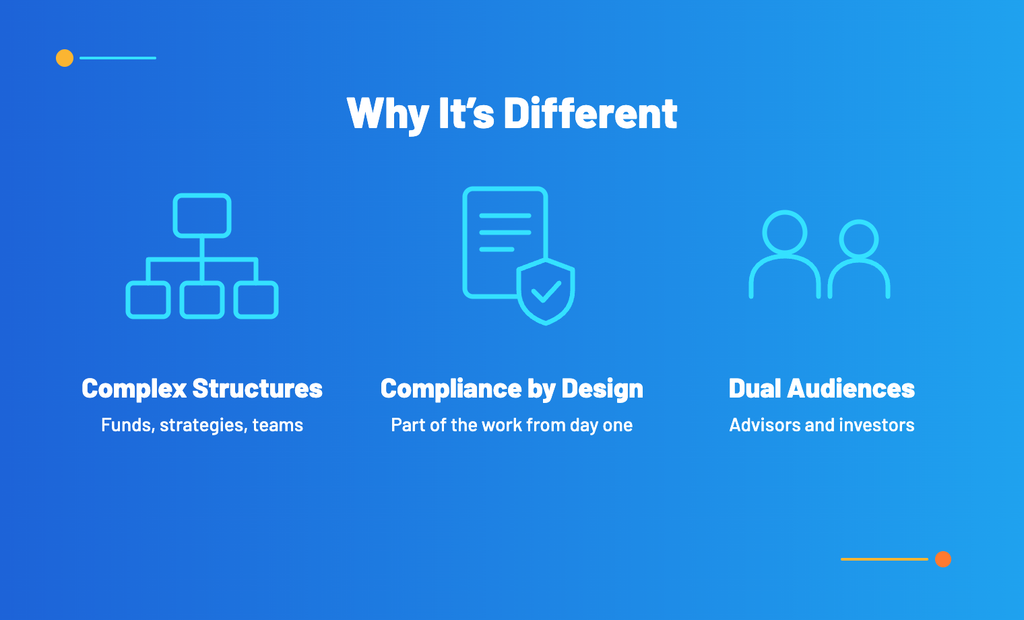
Most rebrands live or die on clarity and consistency. In asset and wealth management, there are a few extra layers of difficulty.
Complex, decentralized structures. Multiple funds, strategies, or advisor teams may sit under different brands, so a rebrand needs a way to let each part stand on its own while still feeling coordinated. We encountered this when rebuilding American Beacon’s flagship site following its rebrand from Resolute Investment Managers, where we needed to give every strategy its own space while keeping the experience unified.
Compliance is part of the design. Unlike some other industries where legal review happens at the end, here, compliance should be part of the discussions from day one so momentum doesn’t stop right before launch.
The audience is dual. Advisors and institutional buyers need enough clarity to sell you, while end investors need to feel confident and understood.
When we feel it’s done right
Positioning before naming, naming before design. Strong rebrands start with a clear point of view, tested with external audiences where possible, before that thinking shapes the messaging and visual identity. That was our approach with Tortoise Capital’s brand and messaging refresh, where discovery shaped positioning before any visual work began.
Brand architecture that respects what’s already trusted. The goal is to have the parent and sub-brands reinforce each other, focusing on the positive without unsettling clients.
Treating the website as the proof, not the announcement. A rebrand works when the site clearly explains each strategy and serves clients, other audiences, and compliance.
When we see it go wrong
Budgeting for a logo, not a strategy. Firms that treat identity as the whole project get new colors and imagery on the same confusion. Without strategy, it’s a repaint, not a rebrand.
Skipping internal alignment. If advisors or field teams are surprised at launch, they won’t be comfortable speaking to the change.
Building without a compliance workflow. Marketing and compliance need to shape the work together from the start, not reopen it at the finish line.
How we approach it
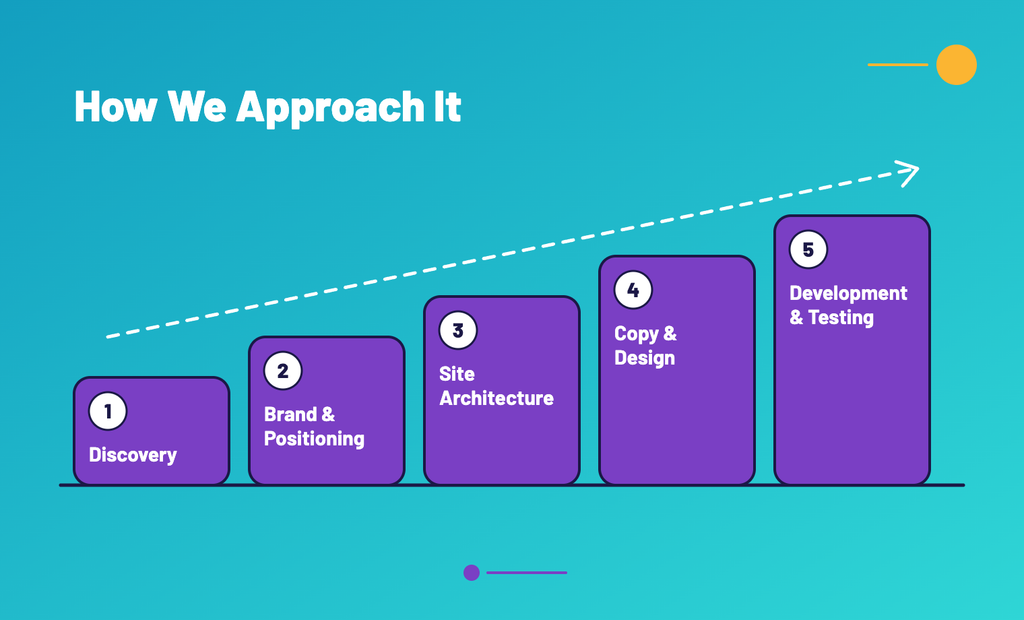
Our process starts with discovery: conversations with internal and external stakeholders and audiences, audits of existing brand and marketing tools, and reviews of key competitors. That groundwork shapes everything that follows.
From there, we move into brand identity, positioning, and messaging, defining who the firm is and how it should sound before diving into design. Once that is set, we move into site architecture, followed by copy and design, and finally development and testing.
Each stage builds on the one before it, which is why skipping ahead to design rarely works. Without discovery, strategy, and positioning framed up, there’s nothing for the creative to stand on.
Ready for a rebrand?
If you’re considering a rebrand, be sure to start with a clear point of view, stakeholder buy-in, and a compliance process that can keep pace.
